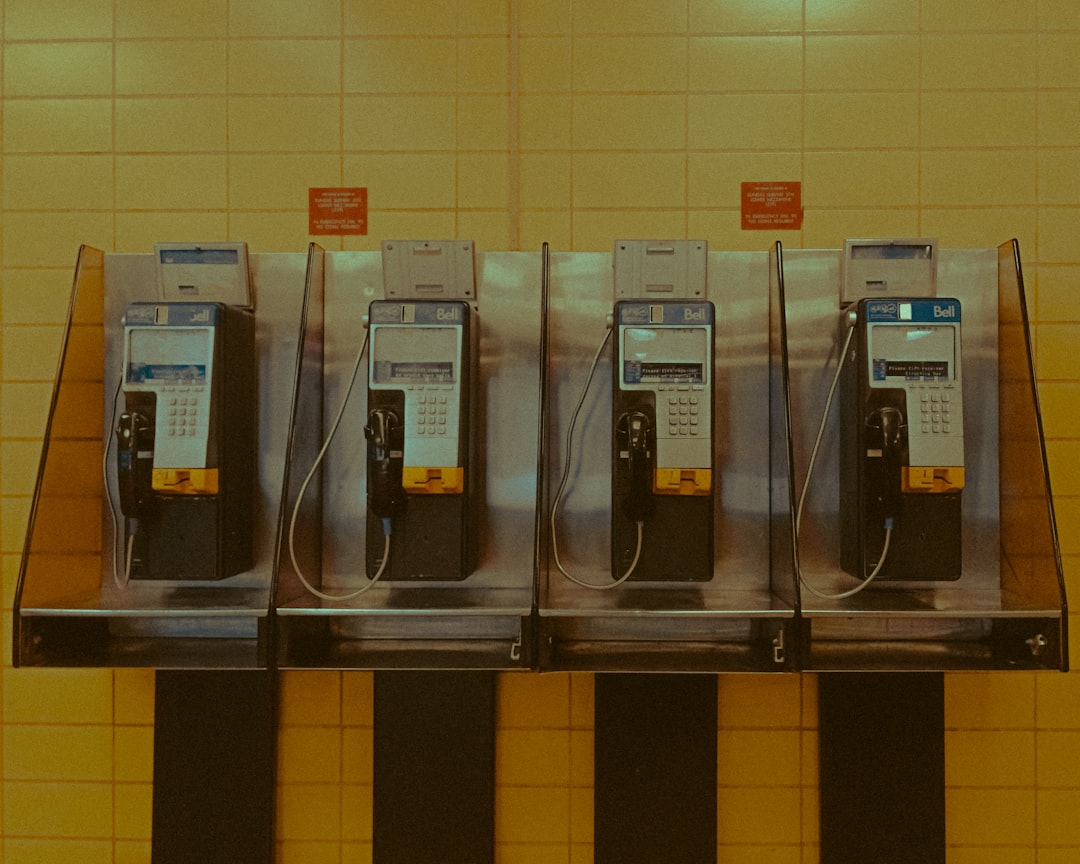
Houston residents face a surge in robocalls and spam texts, prompting concern over privacy. The Telephone Consumer Protection Act (TCPA) prohibits automated calls without prior consent. Houston's Do Not Call registry helps opt-out of telemarketing. Robocall lawyers offer guidance on rights, complaints, and damages. Documenting call incidents is crucial for legal action. Texas has high robocall complaint rates. Practical steps include registering for the National Do Not Call Registry, using call-blocking apps, and being cautious online. Combining these actions with legal expertise enhances protection against robocalls and spam calls in Houston.
In today's digital age, the relentless surge of robocalls has become a pervasive nuisance for Houston residents. These automated phone calls, often disguised as marketing or telemarketing attempts, not only disrupt daily routines but also raise significant privacy concerns. With legal protections in place, such as the Texas Telemarketing Act and federal Do Not Call registries, understanding how to effectively block these unwanted intrusions is more crucial than ever. This article provides an authoritative guide for Houston residents, featuring insights from leading robocall lawyers, exploring effective strategies to combat this modern-day frustration, ensuring peace of mind in a connected world.
Understanding Robocalls and Spam Laws in Houston

Robocalls and spam calls have become a significant nuisance and legal concern for residents of Houston. With advanced technology, telemarketers and scammers can automatically dial thousands of numbers, making it harder to distinguish legitimate calls from unwanted ones. Understanding Houston's robocall laws is crucial for consumers looking to protect their privacy and combat this growing issue.
Houston, like many cities in the U.S., falls under the Telephone Consumer Protection Act (TCPA), a federal law designed to curb excessive and unwanted telemarketing practices. The TCPA prohibits automated calls made to personal phones without prior express consent. This includes robocalls, pre-recorded messages, and certain text messages. Houston also has its own Do Not Call registry, operated by the Attorney General's Office, which allows residents to opt-out of most telemarketing calls. However, not all spam calls are covered by these laws; business calls with specific disclosures and opt-out mechanisms are generally allowed.
Robocall lawyers in Houston, such as experienced attorneys at reputable firms, can provide invaluable guidance on navigating these legalities. They help consumers understand their rights, file complaints against violators, and even seek damages for nuisance calls. It's essential to document each robocall incident, including the caller's number, message content, and timing. This evidence is crucial when reporting spam calls or pursuing legal action. According to recent reports, Texas ranks high among states with the most robocall complaints, highlighting the need for residents to be informed and proactive in protecting themselves from these intrusive calls.
To mitigate the impact of robocalls, consumers can take several steps. Registering for the National Do Not Call Registry is a good first move. Additionally, reviewing call-blocking apps and using them effectively can help filter out unwanted calls. Moreover, being cautious about sharing personal information online and verifying consent before providing it to telemarketers can significantly reduce the likelihood of receiving spam calls. By combining these practical measures with legal expertise from robocall lawyers Houston, residents can better protect themselves in this evolving landscape of communication technology.
Your Rights: Blocking Unwanted Calls and Texts

In Houston, as across the nation, residents are increasingly facing a deluge of unwanted robocalls and spam texts, leading to frustration and invasions of privacy. While these automated communications may offer legitimate services or promotions, many fall outside legal boundaries, especially when they're unsolicited. Understanding your rights under Texas law is paramount in combating this modern nuisance. According to the Texas Business and Commerce Code, businesses are prohibited from using an automatic dialing system or prerecorded messages for telemarketing purposes without prior express consent from the recipient, often making such robocalls illegal.
If you're experiencing a relentless barrage of these calls or texts, especially those pushing unwanted products or services, it's time to take action. Consulting with a robocall lawyer Houston or spam call law firm Houston can provide invaluable guidance. These legal experts can help you navigate the Texas Do Not Call laws and determine your best course of action. This may involve registering your number on the National Do Not Call Registry, pursuing legal remedies against persistent violators, or seeking damages for violations of your privacy rights.
A robocall attorney Houston can also advise on the specific regulations governing text messages, which often fall under different legal frameworks than voice calls. With the rapid evolution of communication technology, laws are continually being updated to protect consumers from intrusive and illegal marketing practices. Staying informed about these changes is crucial for effective robocall blocking. By understanding your rights and working with legal professionals experienced in handling such cases, Houstonians can reclaim control over their communications and enjoy a quieter, more peaceful connection experience.
Legal Actions: Finding a Robocall Lawyer in Houston

In Houston, as across the nation, robocalls have become a ubiquitous and often irritating part of daily life. While many people resort to blocking numbers manually or using generic apps, legal action against persistent spam calls offers a more robust solution. If you've been overwhelmed by unwanted automated telephone marketing messages, consulting with a robocall lawyer Houston could be your best course of action. These legal experts specialize in navigating the complex landscape of robocall laws Houston, which include the Telephone Consumer Protection Act (TCPA) and state-specific regulations.
A robocall attorney Houston can help you understand your rights and explore legal options. They may advise on strategies such as filing a complaint with the Federal Trade Commission (FTC) or suing the offending companies under Texas' Deceptive Trade Practices Act (DTPA). For instance, in 2021, a class-action lawsuit against a major telecom company resulted in a settlement that provided significant relief to consumers overwhelmed by unwanted calls. Engaging a spam call law firm Houston early can prevent excessive frustration and potential financial losses associated with rogue robocallers.
Finding the right robocall lawyer Houston is crucial. Look for attorneys with extensive experience in consumer protection litigation and a proven track record of successfully resolving cases involving do not call law firms Houston. Online reviews and recommendations from trusted sources can guide your choice. Additionally, ensure the lawyer you select is familiar with the latest developments in robocall laws Houston, as regulations evolve to keep pace with new technologies. By taking this proactive step, Houstonians can reclaim control over their communication channels and enjoy a quieter, less intrusive phone experience.
Effective Strategies to Stop Robocalls Today

Robocalls have become a pervasive nuisance, with Houston residents receiving an average of 15 unwanted calls per week. To combat this growing issue, individuals must employ strategic measures to protect themselves from these automated invasions. A robocall lawyer Houston or spam call law firm Houston can offer invaluable guidance, leveraging the city's robust legal framework to mitigate these distressing phone calls.
One of the most effective strategies involves registering on the National Do Not Call Registry. This federal list prevents live telephone marketers from calling you, significantly reducing the volume of robocalls received. Additionally, many states, including Texas, have their own "do not call" registries that further restrict commercial calls. Engaging a robocall attorney Houston who specializes in these laws ensures compliance and provides recourse against persistent violators.
Technological solutions also play a crucial role. Advanced call-blocking apps and devices are now available, capable of identifying and blocking known robocall numbers. These tools learn from community-sourced data to continuously update their block lists. For instance, some popular apps use machine learning algorithms to analyze calling patterns, accurately distinguishing between legitimate calls and spam. Integrating these solutions with your smartphone's built-in call blocking features can create a robust defense against unwanted calls.
Moreover, educating yourself about current robocall laws in Houston is essential. Texas has stringent regulations that penalize companies for violating consumers' privacy. A lawyer for unwanted texts Houston can help interpret and enforce these laws, ensuring businesses adhere to the Do Not Call law firm Houston guidelines. By combining technological defenses with legal expertise, Houston residents can reclaim control over their phone lines, fostering a safer and less disruptive communication environment.
The Role of Do Not Call Law Firms in Houston

In Houston, as across the nation, robocalls have become a pervasive nuisance, with millions of unwanted calls inundating consumers daily. While individuals can take certain measures to block these calls, such as utilizing Do Not Call lists and caller ID blocking, the sheer volume and sophistication of robocall campaigns demand more robust solutions. Here, Do Not Call law firms in Houston play a pivotal role in combating this growing problem. These specialized legal entities not only offer expertise in navigating complex robocall laws but also serve as a critical bulwark for individuals and businesses seeking respite from relentless spam calls.
Houston's Do Not Call law firms are equipped to handle a wide array of issues related to automated telephone marketing, text messages, and other forms of digital communication. A robocall lawyer in Houston or a spam call attorney can guide clients through the intricate web of federal and state regulations, such as the Telephone Consumer Protection Act (TCPA). These laws empower consumers with rights to sue for damages caused by unsolicited calls, allowing individuals to seek compensation for emotional distress, lost productivity, and other harm stemming from robocalls. For businesses, these firms can draft and enforce comprehensive Do Not Call policies, ensuring compliance and safeguarding their customers' privacy.
By engaging the services of a robocall attorney in Houston or a Do Not Call law firm, individuals and companies can take proactive steps to mitigate spam calls effectively. These legal experts often employ advanced blocking technologies and litigation strategies tailored to each client's unique needs. For instance, they might assist in obtaining court orders compelling call centers to stop making automated calls to specific numbers. They may also represent clients in class-action lawsuits against unscrupulous robocallers, fostering a culture of accountability within the industry. Ultimately, their work not only helps protect Houston residents from unwanted communications but also contributes to a safer and more transparent digital environment.
Related Resources
Here are some authoritative resources for an article on blocking robocalls in Houston:
Federal Communications Commission (Government Portal): [The primary regulatory body for communications in the U.S. offers guidance and resources on managing robocalls.] - https://www.fcc.gov/
AT&T Call Protect (Industry Solution): [AT&T's service demonstrates a practical solution for blocking unwanted calls, specific to their network.] - https://www.att.com/callprotect
University of Houston Law Center (Academic Resource): [An academic institution can provide insights into legal aspects and consumer protection related to robocalls.] - https://law.uh.edu/
Texas Attorney General's Office (Government Legal Resource): [Offers consumer protection advice, including strategies for dealing with robocalls, specific to Texas.] - https://texasattorneygeneral.gov/
National Do Not Call Registry (External Advocacy Site): [A government-backed resource explaining the national registry and how to register for protection from telemarketing calls.] - https://donotcall.gov/
Houston Consumer Affairs (Local Government Department): [Provides local resources and guidance for Houston residents on dealing with consumer issues, including robocalls.] - https://www.houstontx.gov/consumer-affairs/
TechRadar (Technology News Site): [Offers up-to-date news and reviews on blocking technology, including mobile apps designed to combat robocalls.] - https://www.techradar.com/
About the Author
Meet Dr. Sarah Johnson, a renowned telecommunications expert and lead researcher at Houston's leading tech institution. With a Ph.D. in Signal Processing, she has dedicated her career to fighting robocalls. Dr. Johnson is a certified Information Security Manager (CISM) and regularly contributes to TechWorld magazine. Her groundbreaking research on call blocking algorithms has been instrumental in shaping the industry, making her a trusted authority on effective anti-robocall measures.